
2025 Event Recap
September 17-18 • Chicagoland, IL
Thank You For Another Successful Event!
Still buzzing from this year’s Logistics M&A Club event — where founders, executives, and investors came together to exchange ideas, build relationships, and explore what’s next for our industry.
A huge thank-you to our sponsors, speakers, and attendees who make this event a must-attend each year. The collaboration and insight shared here are what keep transportation and logistics moving forward.
Video produced by Position:Global

Together, We Raised $66,500 For Misericordia Heart of Mercy!
Misericordia is more than a facility — it’s a vibrant community supporting over 600 children and adults with intellectual and developmental disabilities. Thanks to the generosity of our community, we not only reached our fundraising goal but exceeded it!
A Heartfelt Thank You To Our Incredible Sponsors And Donors Who Made This Possible!
The Para-Daly Foundation • OTR Transportation • Chain Logic • AHS Consulting Inc • EVE Partners, LLC • Huntington National Bank • Dave Hockersmith • Allstates WorldCargo • Absolute Worldwide Logistics, Inc • CLA (CliftonLarsonAllen) • Primary Freight Services • Pegasus Logistics Group • Martin Essenberg (DePaul University) • Fairfield Adams • Mint Global Logistics • Watchpoint Logistics, Inc. • GESG • Western Overseas Corporation • ShipTech • Cal Creek Group • Roberts & Kehagiaras • FlatRate Moving • American Worldwide Agencies (AWA) • 28Freight • Gebrüder Weiss • RAS Logistics • Wintrust Financial Corporation • Wen-Parker Logistics • Taft Law
Thank You to Our 2025 Sponsors!
-
![]()
Gold Sponsor
-
![]()
Gold Sponsor
-
![]()
Gold Sponsor
-
![]()
Media Sponsor
-
![]()
Silver Sponsor
-
![]()
Silver Sponsor
-
![]()
Silver Sponsor
-
![]()
Silver Sponsor
-
![]()
Silver Sponsor
-
![]()
Silver Sponsor










Photo Gallery








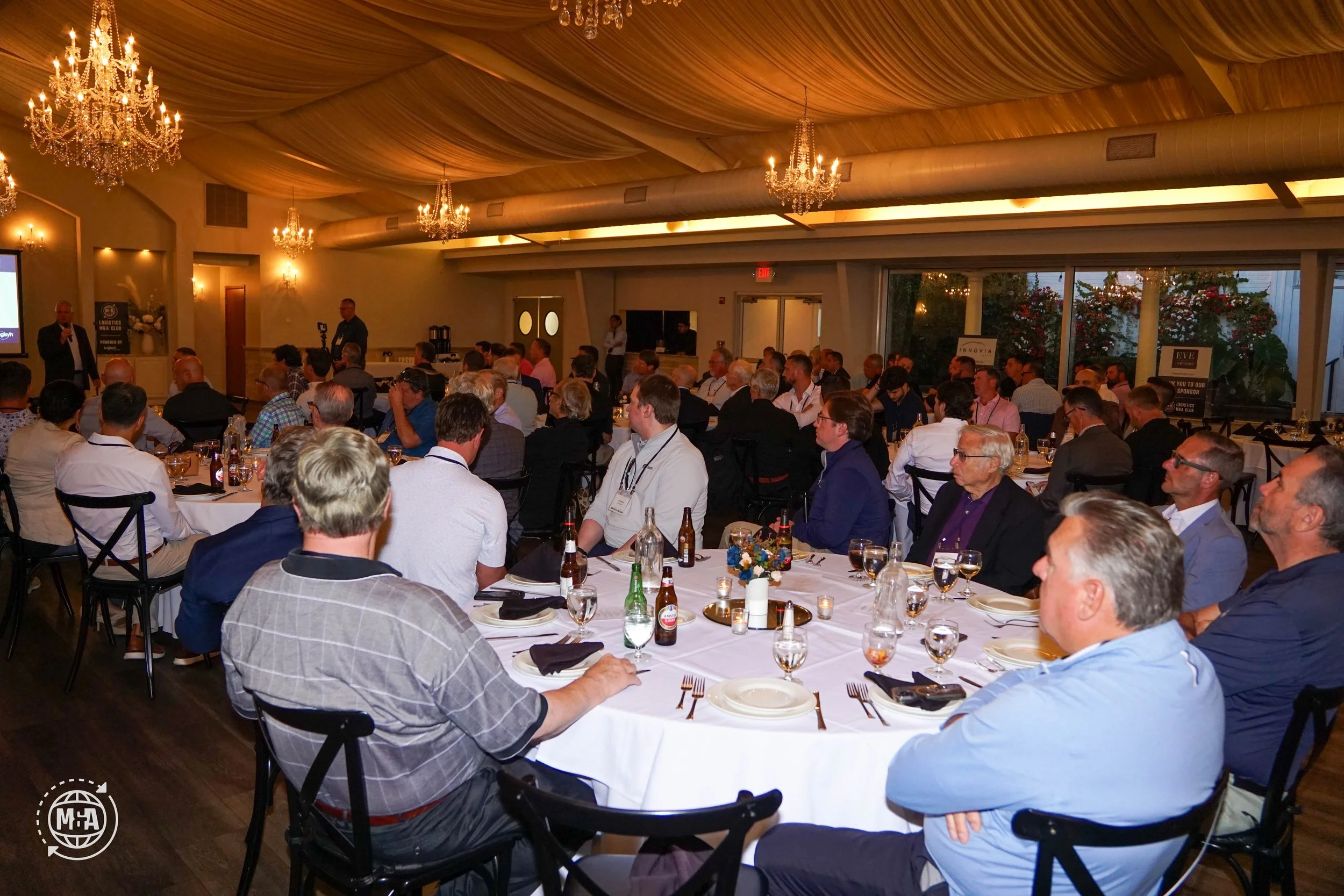
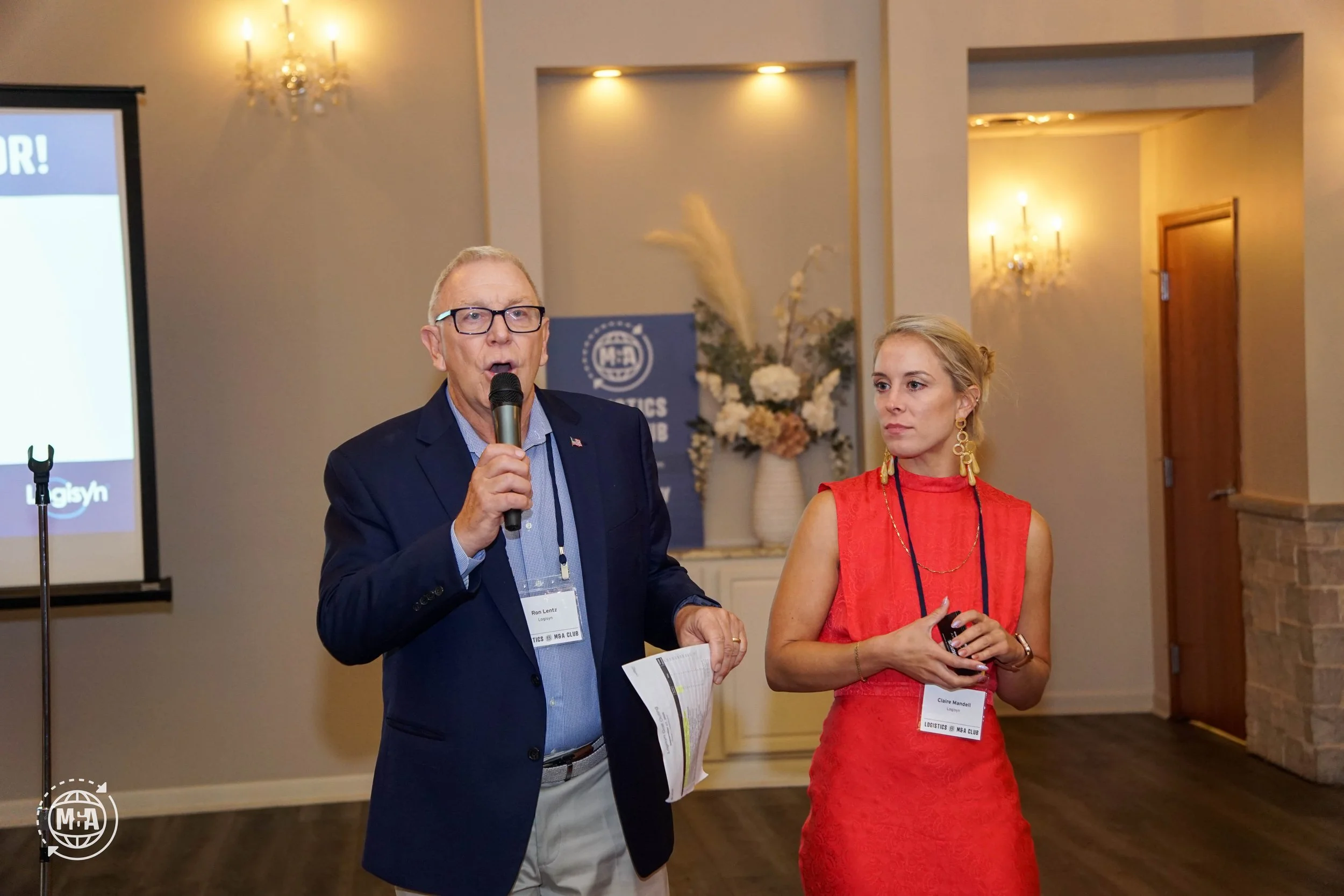
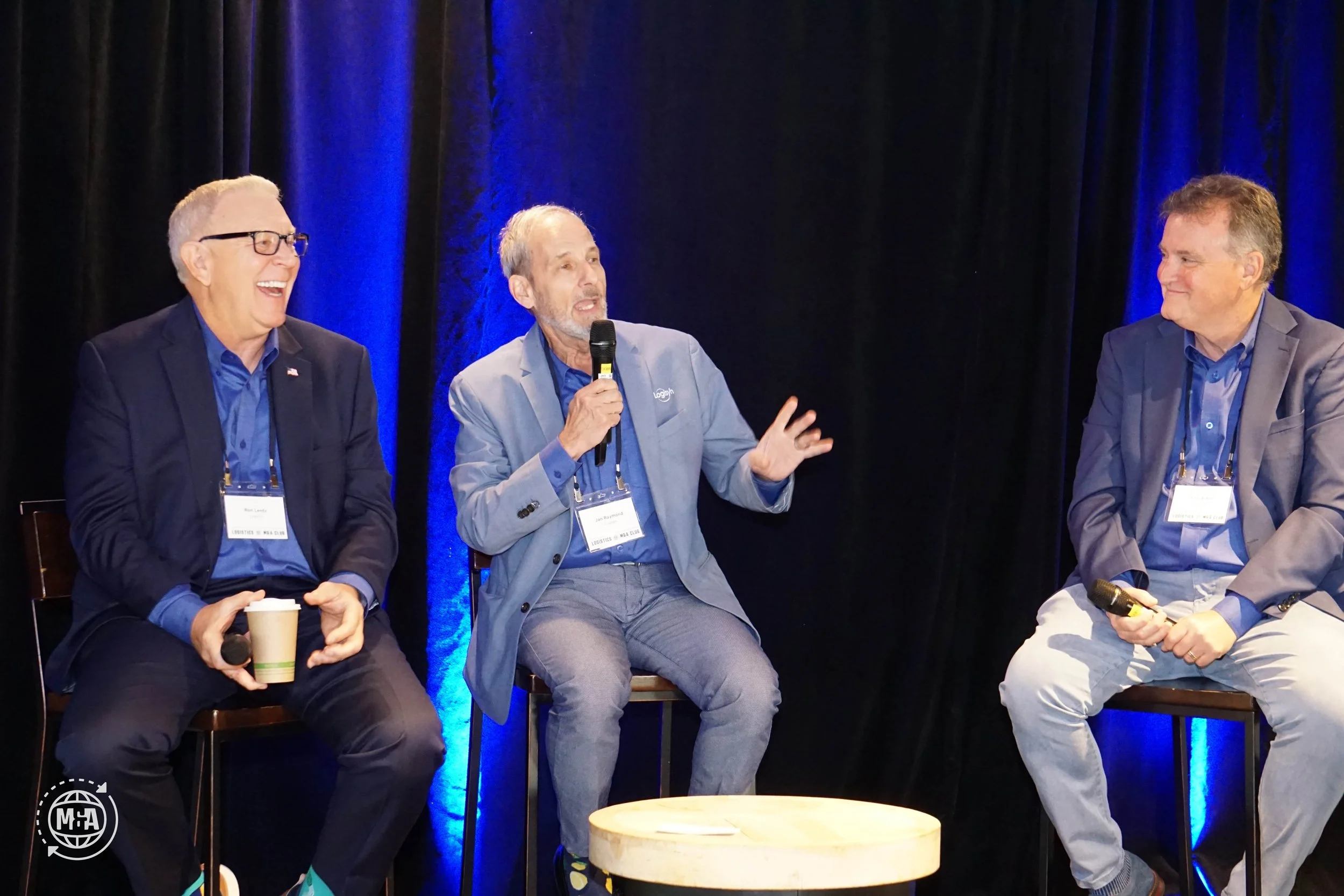
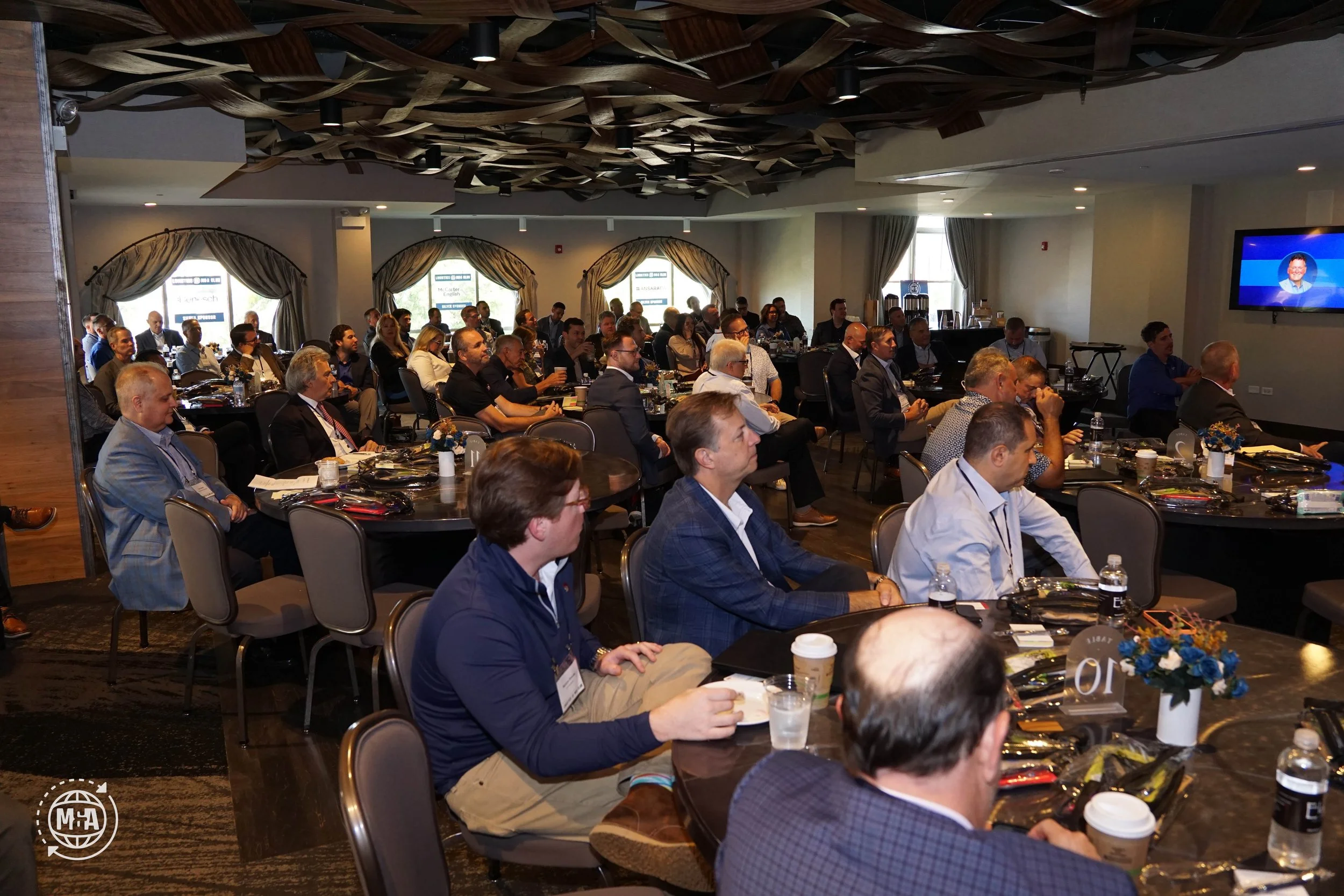
Thank You to Our 2025 Speakers!
-
![]()
Cindy Allen
Tradeforce Multiplier
CEO/Founder -
![]()
John Q. Anderson
Greenbriar Equity
Partner -
![]()
Cris Arens
Logisyn Advisors
Managing Partner -
![]()
Heather Devine
TRAFFIX
Chief Legal Officer -
![]()
Tom Durrenberger
Bravotran
CEO -
![]()
Eric Johnson
Journal of Commerce
Senior Editor -
![]()
Ron Lentz
Logisyn Advisors
Managing Partner -
![]()
Amit Maheshwari
Softlink
CEO/Founder -
![]()
Jan H. Raymond
Logisyn Advisors
Managing Partner / CEO -
![]()
JJ Schickel
EVE Partners
Partner










Key Discussion Takeaways
-
1. Specialization Wins in M&A
The Transportation & Logistics (T&L) sector requires more than generalist advisory. An industry-specific M&A model addresses the complexity of operations, valuations, and buyer targeting – offering a clear advantage over traditional investment banks.2. Precision at LOI is a Predictor of Success
The LOI stage is where deals are won or lost. Precision, strong legal guidance, and a battle-tested advisory team are essential to anticipate risks, accelerate diligence, and protect deal value – especially in cross-border or regulated environments.3. Private Equity Is Evolving, Not Contracting
Private equity remains active in T&L despite market headwinds. While the industry has matured and become more competitive, firms that demonstrate operational discipline, long-term thinking, and differentiated value creation will continue to lead.4. AI Adoption Must Be Rooted in Tangible ROI, Not Theoretical Potential
AI adoption in logistics is only effective when applied to specific, high-friction pain points – like document processing and payables to name a few. Clean data, targeted use cases, and ROI clarity are essential. Broad AI promises mean little without executional depth.5. Tech in T&L Is Now a Strategic Differentiator
Technology adoption is no longer optional. Flexible, integrative platforms (vs. legacy monoliths) are winning favor with forwarders. As regulatory burdens and client expectations rise, tech becomes a core driver of scalability, margin, and valuation. -
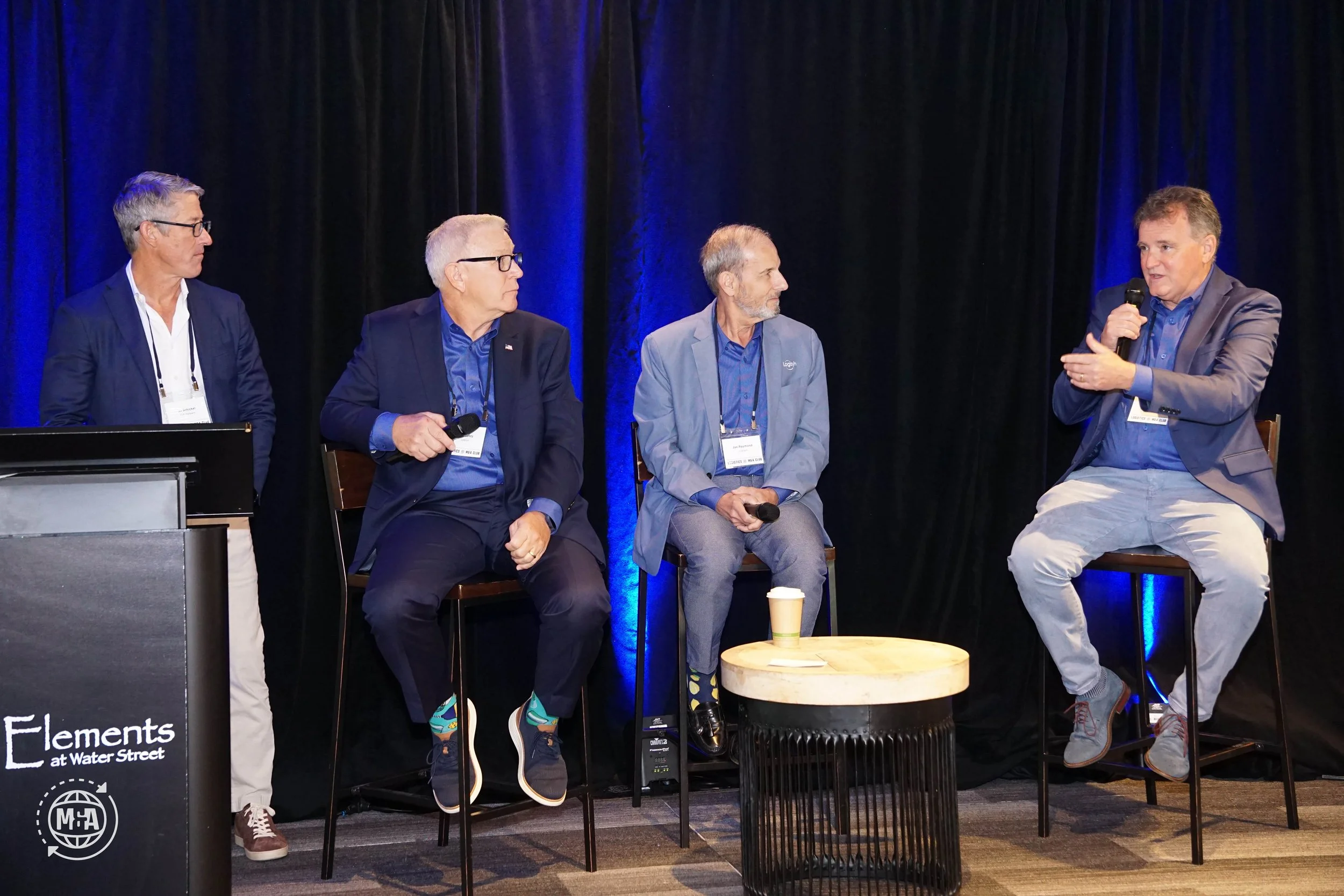
Moderator: JJ Schickel | Panelists: Ron Lentz, Jan Raymond, Cris Arens
1. Industry Specialization Creates Real Transactional Advantage
Logisyn was founded to fill a critical gap in the market – bringing deep Transportation & Logistics (T&L) expertise to M&A advisory. Unlike generalist bankers, Logisyn’s operator-level understanding enables more accurate valuations, better buyer targeting, and smoother execution.2. M&A Success Hinges on Structure, Confidentiality, and Process Discipline
The modern M&A process now spans greater distinct stages - from relationship building to post-LOI diligence. With confidentiality as a cornerstone (supported by VDR and cybersecurity tools), success requires disciplined execution and clear coordination to preserve value and certainty of close.3. Value Creation Is About More Than Just the Numbers
Buyers, especially in today’s market, are placing premium value on factors like growth trajectory, tech infrastructure, and leadership quality. Logisyn emphasizes defensible EBITDA adjustments, strong commercial narratives, and forward-looking positioning – key levers in maximizing exit value. -
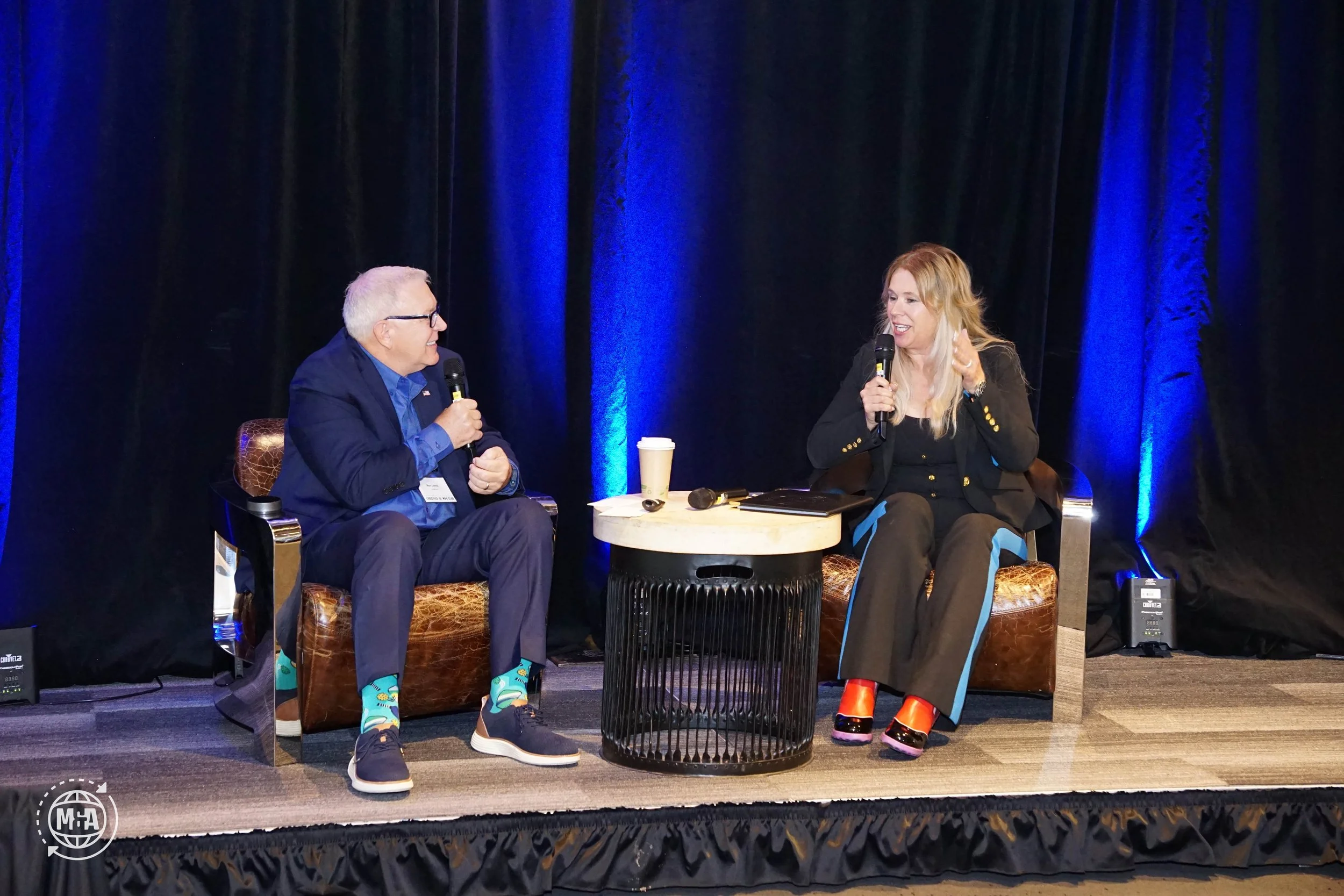
Host: Ron Lentz | Guest: Heather Devine
1. Personal Discipline Translates to Deal Discipline
Heather’s aviation, sailing, and cycling pursuits reflect her rigorous approach to M&A. Each activity emphasizes checklists, situational awareness, and contingency planning – skills that directly apply to mitigating deal risk, ensuring post-close integration success, and navigating complex cross-border regulatory issues.2. Precision Is Paramount at the LOI Stage
Heather emphasized that the precision required during the LOI phase is critical. Success hinges not only on the right documents, but also on having the right people beside you – seasoned advisors who can anticipate issues before they arise.3. Complex Deal Structures Require Confidence and Agility
Today’s deals are more structured and layered than ever before. Heather noted that quick, thoughtful decision-making, built on years of experience and preparation, helps navigate last-minute structural shifts with clarity and confidence.4. Legal Teams Must Be Strategic, Not Bloated
Heather now manages legal teams for deal execution and stressed the importance of proper legal staffing – having the right lawyer at the right time, not a bloated team. Budgeting, clear scope, and ensuring counsel is a deal maker, not a deal killer, is key to client success.5. Integrity and Relationship Building Drive Legal Success
Heather's career has been built on integrity, preparation, and early relationship-building. Her approach is to position herself as a trusted advisor before a deal is on the table – earning trust through proactive conversations, not just legal documents. -
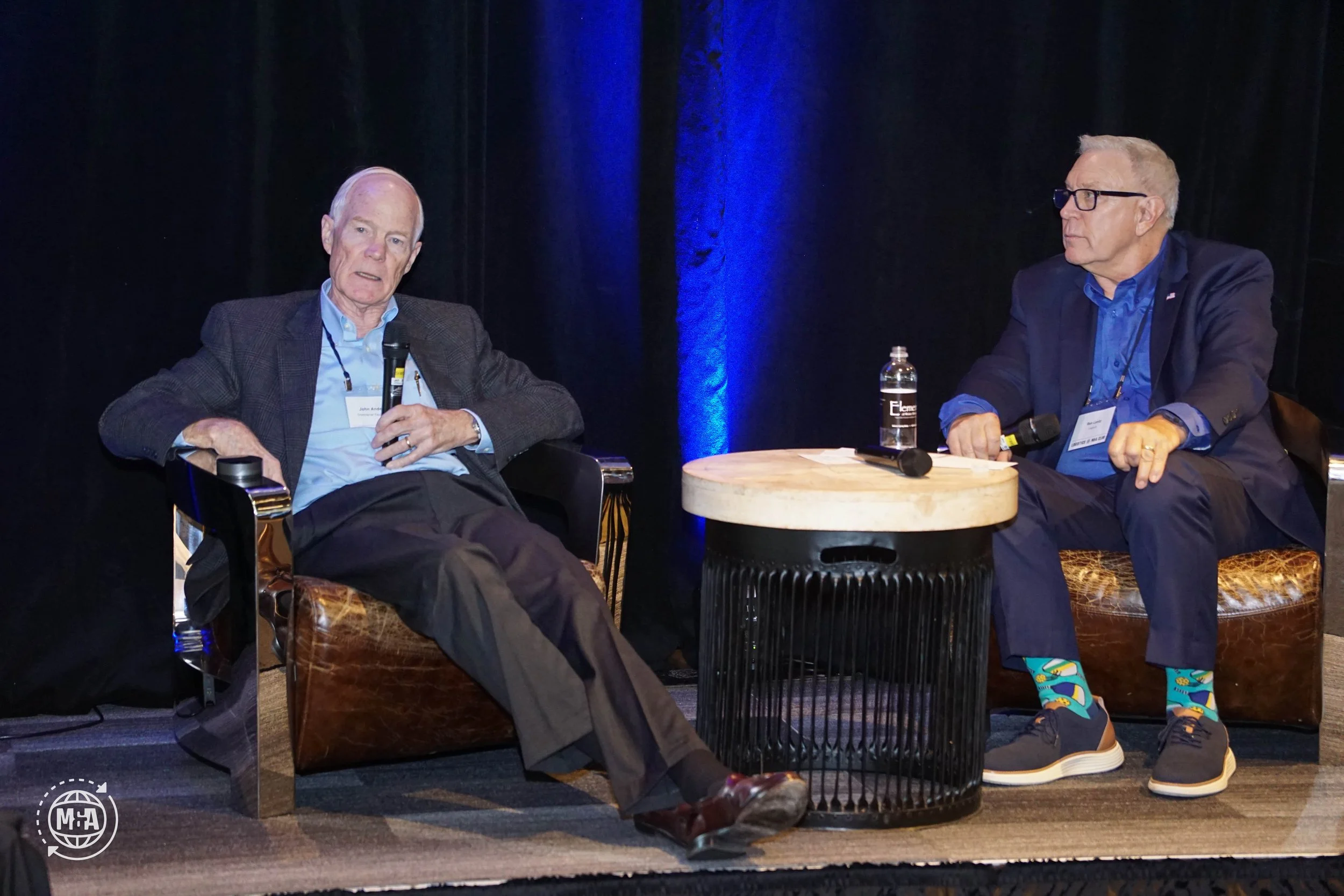
Host: Ron Lentz | Guest: John Anderson
1. A Non-Linear Path Led to Private Equity Success
John emphasized that his journey into PE was unplanned. Early in his career, he entered the industry when it was still in its infancy, with few firms like Fenway and Greenbriar operating in the T&L space. Luck, timing, and learning by doing were key themes in his ascent.2. The Evolution of PE: From Forgiving to Ferociously Competitive
The early PE environment was less structured and more forgiving. Over time, processes have become hyper-efficient, competition has intensified, and differentiation between firms has sharpened. With elevated standards, achieving outsized returns has become significantly harder.3. What It Takes to Become a PE Leader
Becoming a partner at a top-tier firm like Greenbriar is a 12–15-year journey. According to John, successful PE professionals are technically skilled, relationship-oriented, intellectually rigorous, and deeply self-aware. Integrity is the entry ticket – but drive, personality, and judgment are what sustain success.4. The Private Equity Landscape: Not Shrinking Anytime Soon
Despite speculation about consolidation, John believes PE is here to stay. As long as capital continues to flow into the asset class, the industry will remain large and dynamic. While some reshaping is inevitable, a true "thinning" of firms is unlikely in the near term.5. T&L Outlook: Stable Growth, Unless Disrupted
Absent any major discontinuities, John expects the T&L sector to continue its growth trajectory. While AI and technology could accelerate the sector, he does not see any current indicators pointing to a slowdown. A one-year outlook feels early, but within three years, he anticipates visible acceleration - barring an external shock.6. Leading by Example: Integrity and Responsibility
John takes pride in setting the standard - not just in deal execution, but in life. Philanthropy is a core part of his identity. He believes leaders should not only demonstrate values but talk openly about the responsibilities that come with success. -
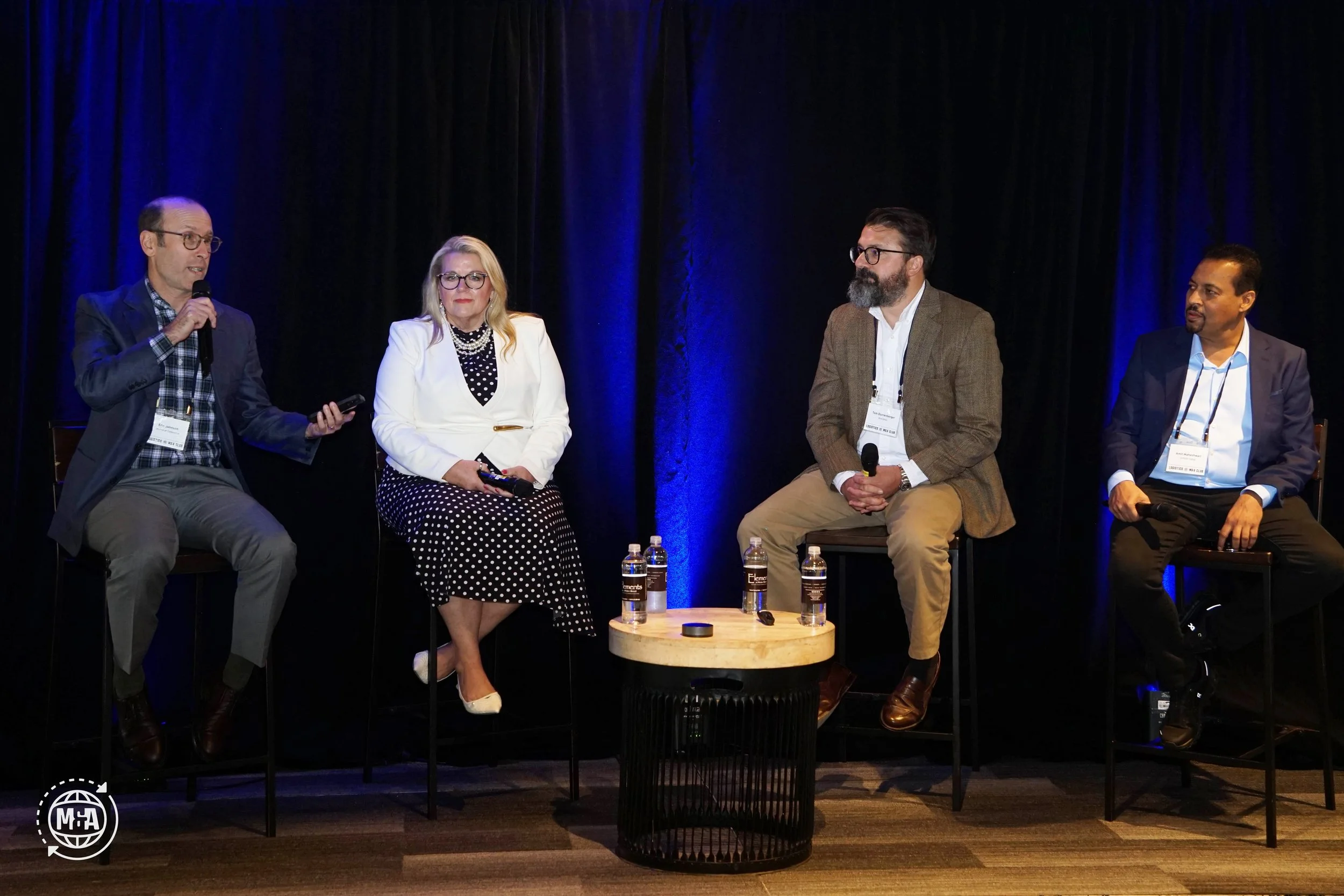
Moderator: Eric Johnson | Panelists: Cindy Allen, Tom Durrenberger, Amit Maheshwari
1. Tariff Volatility Is Rewriting the Rulebook on Trade Compliance
Cindy Allen highlighted that the last eight months have seen more volatility in U.S. trade tariffs than the prior 40 years combined. Customs brokers (CHBs) are under immense pressure – performing up to 4x more work just to remain compliant. The regulatory burden has sharply increased and is accelerating tech adoption in compliance operations.2. BravoTran’s Spin-Off Was Fueled by Forwarder-Specific Demand
Tom Durrenberger explained that BravoTran, spun out from HubTran, focused exclusively on accounts payable (AP) automation for freight forwarders. Surprisingly, despite being tech-forward pre-spin, they underestimated how different international forwarding workflows are from domestic players. This distinction has reshaped BravoTran’s AI-first strategy.3. AI Adoption in T&L Is a Work-in-Progress, Not Plug-and-Play
Tom described himself as an AI skeptic by necessity – he both builds and sells AI but is intimately familiar with the friction that limits its current utility. AI is powerful but constrained by messy data environments and operational nuances unique to freight. Transformation will come, but not overnight.4. SoftLink’s Competitive Edge Is Platform Flexibility
Amit Maheshwari positioned SoftLink as a modular digital backbone rather than a full-stack freight operating system. Unlike Cargowise, which is often viewed as rigid, expensive, and overly complex, SoftLink is intentionally designed to integrate across systems – offering greater flexibility, faster deployment, and lower cost of ownership for forwarders.5. BravoTran’s Success Is Tied to Hyper-Specialization
Rather than taking a "platform-for-everything" approach, BravoTran went all-in on a single function – AP automation – powered by AI. Their focused strategy allowed them to differentiate in a noisy space by delivering unmatched performance in one highly manual area of logistics.6. AI Is a Force Multiplier, not a Job Replacer (Yet)
Panelists agreed: AI is not about replacing jobs – it’s about augmenting them. For example, an entry that once took 20–30 minutes can now be generated in seconds. AI handles the repetitive tasks, enabling teams to refocus on exception handling and value-added work. But meaningful AI requires clean data, clear goals, and consistent use cases.